WELCOME TO
Patient Resources

ACL Reconstruction Surgery: What to Expect and Why Rehab Matters Most
ACL Reconstruction Surgery: What to Expect and Why Rehab Matters Most
(Part 3 of 3 in ACL Injury Recovery Series)
So far, we've talked about some ways to treat ACL injuries - like the Cross Bracing Method and rehab without surgery.
Now let's explore the most common choice: ACL reconstruction surgery.
ACL reconstruction surgery is a highly effective option for restoring knee stability, but the journey to full recovery requires dedication and a structured rehabilitation plan.
In this article, we’ll explore what ACL surgery entails, why knee rehabilitation is critical, and how our team can support your return to sport.
Understanding ACL Reconstruction Surgery
ACL reconstruction surgery involves replacing a torn anterior cruciate ligament (ACL) with a graft, typically sourced from your hamstring, quadriceps tendon, or a donor.
This procedure restores knee stability, allowing you to perform activities like running, pivoting, or playing sports without your knee buckling. It is performed by a skilled orthopaedic surgeon using arthroscopic techniques.
While the surgery itself is crucial, it’s only the first step. Achieving a full recovery hinges on a comprehensive rehabilitation program to rebuild strength, power, and coordination.
Without proper rehab, even a successful surgery may not enable you to return to your previous level of activity.
What to Expect After ACL Surgery
Here’s what research and our experience show:
Approximately 55% of patients successfully return to sport at their pre-injury level after ACL reconstruction.
Younger athletes (under 18) face a higher reinjury risk, with 10-20% experiencing another knee injury if rehabilitation is incomplete.
To maximise your chances of a safe return to activity, a 12-month rehabilitation program guided by a physiotherapist is essential.
And I may be biased, but after rehabbing hundreds of individuals after ACL reconstruction and recently completing my PhD in "Optimising ACL Reconstruction Rehabilitation", I believe that excellent rehab is the primary mechanism for improving outcomes after ACL reconstruction.
The Critical Role of Knee Rehabilitation
Many patients mistakenly believe they’re ready to resume sports once pain subsides or daily activities feel manageable. However, returning too early significantly increases the risk of reinjury.
Considering the average physiotherapist treats 1-5 ACL injury patients per year, the high volume my team and I see gives us insights into rehabilitation, which I hope sets us apart.
Embarking on my PhD thesis has given me immense knowledge and experience in treating hundreds of athletes after ACL injury.
Combining clinical and research knowledge is crucial, so what does the research tell us about rehabilitation?
We know participation in ACL rehabilitation is critical to facilitating a return to sport.
However, growing evidence suggests that due to inadequacies in current rehabilitation programs, patients are returning to sport too early and with significant deficits in knee function, risking reinjury and long-term impairments.
This is highlighted by research demonstrating that only 5% of people complete evidence-based rehabilitation, including ≥6 months of rehabilitation, agility and landing exercises, and a structured return to sport.
As a result, patients do not meet discharge criteria before RTS, as even with well-controlled and implemented rehabilitation, only 10% of patients meet discharge criteria.
It is now widely accepted that 9–12 months of rehabilitation is required for return to high-risk sport6.
It is not that patients don't see a physio; it is that they drop out early (typically 4-6 months) and don't complete the most critical phases of rehab to prepare for sport.
Clinically, we see this all the time with the inability of patients to meet return-to-sport criteria and train at a high enough intensity to overcome the deficits from ACL reconstruction surgery.
Few people will do the required training, such as high-level jump and landing, plyometric training, supervised change and direction training.
Few people will make a gradual return to sport and pass appropriate testing and physical benchmarking tests throughout the rehab process to return to sport safely and confidently.
It is the reason I started my PhD in the first place and led the formation of our Sports Knee Program.
In the end, you can have a pristine knee with a perfectly reconstructed ACL, but if they have not physically prepared their knee for sport, then it is all worthless.
Don’t be one of those people.
Ensure that your rehab contains these 7 key elements:
In Clinic Treatment: Techniques to alleviate discomfort and reduce inflammation, overcome difficulties and progress rehabilitation.
Functional assessments: A clear set of progression criteria for each phase determines if you are ready to progress to the next level of activity and eventually return to sport.
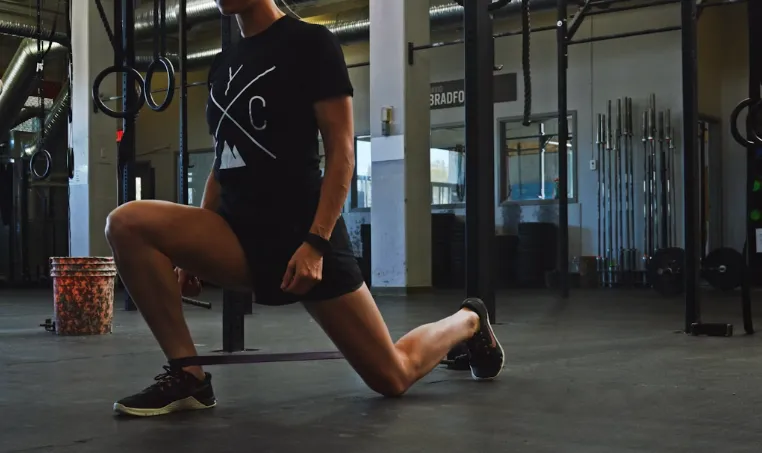
Strength training: Gym-based exercises to rebuild quadriceps, hamstrings, and core muscles. This should progress from introductory strength exercises to heavy strength training.
Jumping and landing drills: Training to improve technique, quickness and power. They also significantly reduce injury risk.
Running and agility exercises: Gradual reintroduction to dynamic movements with a focus on optimal technique. There is no point in being strong if you still move poorly.
Conditioning: Building endurance for sports performance.
Sport-specific training: Gradual return to practice and competitive play.
Prematurely ending rehab after a few months can jeopardise your recovery.
Our team is dedicated to keeping you on track, ensuring your knee is ready for the rigours of sports.
Steps to Take If You’re Considering ACL Surgery
If you suspect an ACL injury, here’s how to proceed:
Consult a physiotherapist: Get a comprehensive assessment and understanding of your treatment options with a physio specialist in knee injury management. You should also start pre-surgery exercises to reduce swelling and strengthen muscles, setting you up for a smoother recovery.
Meet with an orthopaedic surgeon: A specialist will evaluate your injury and discuss management options, including surgery options for an ACL reconstruction.
Commit to rehabilitation: Post-surgery rehabilitation may be more important than the surgery. Our Sports Knee Program may be an option for you.
By working with both a surgeon and physiotherapist, you’ll have a comprehensive plan to return to the activities you love.
Wrapping Up
That’s the final edition in our 3-part series on ACL injury management. We have covered Cross Bracing, Rehabilitation without surgery and now ACL reconstruction.
Overcoming an ACL injury with reconstruction surgery is a process that requires both expert surgical intervention and committed rehabilitation.
Although surgery reestablishes knee stability, it’s the comprehensive, ongoing rehab program, including strength exercises, functional evaluations, and sport-specific training—that guarantees a secure return to your active life.
Yours in knee health,
Dr. Adam Walker
Gold Coast Knee Group
P.S. Discover how our Sports Knee Program can help you recover. Contact us at 0408 051 943 or email us to start your journey!
Frequently Asked Questions (FAQ)
What is ACL reconstruction surgery?
A surgical procedure to replace a torn ACL with a graft, restoring knee stability for active individuals.
How long does recovery take?
Full recovery typically requires 12 months of structured rehabilitation to ensure strength and safety for sports.
Can I return to sports after surgery?
Yes, about 55% of patients return to their pre-injury sport level with proper 12-month rehabilitation.
Why is rehabilitation essential?
It strengthens your knee, restores function, and reduces reinjury risk, ensuring a safe return to activity.
How can Gold Coast Knee Group help?
Our Sports Knee Program, led by Dr. Adam Walker, provides expert pre- and post-surgery rehabilitation tailored to athletes.
Connect with Us
Ready to take the next step? Contact us or explore our resources on Knee Conditions to learn more about ACL injuries and recovery.
Unlock the Power of Physiotherapy
Your Path to Pain-Free Living
Discover the transformative benefits of physiotherapy and regain control over your body. Our exclusive guide, "The Ultimate Guide to Physiotherapy: Your Roadmap to Optimal Health," provides valuable insights into the fundamentals, techniques, and success stories of physiotherapy. Sign up now to embark on a journey towards a pain-free, active lifestyle.
Palm Beach Physio and Sports Rehab
What OurPatients Say

I was plagued by chronic back pain for years, making it difficult to enjoy even the simplest activities. Thanks to the incredible physiotherapy services, I finally found relief. Their skilled physiotherapist not only helped alleviate my pain but also taught me exercises and techniques to strengthen my core and improve my posture.
Sarah M.


After undergoing knee surgery, I was unsure if I would ever regain full mobility. That's when I discovered the transformative power of physiotherapy. The dedicated team of physiotherapists designed a personalized rehabilitation program that included a combination of exercises, manual therapy, and advanced techniques.
John W.

As an athlete, I constantly push my body to the limits. Unfortunately, this often leads to injuries and setbacks. However, with the help of the outstanding physiotherapy services, I've been able to bounce back stronger than ever. Their sports-focused approach, including targeted exercises, injury prevention strategies, and performance...
Emily R.
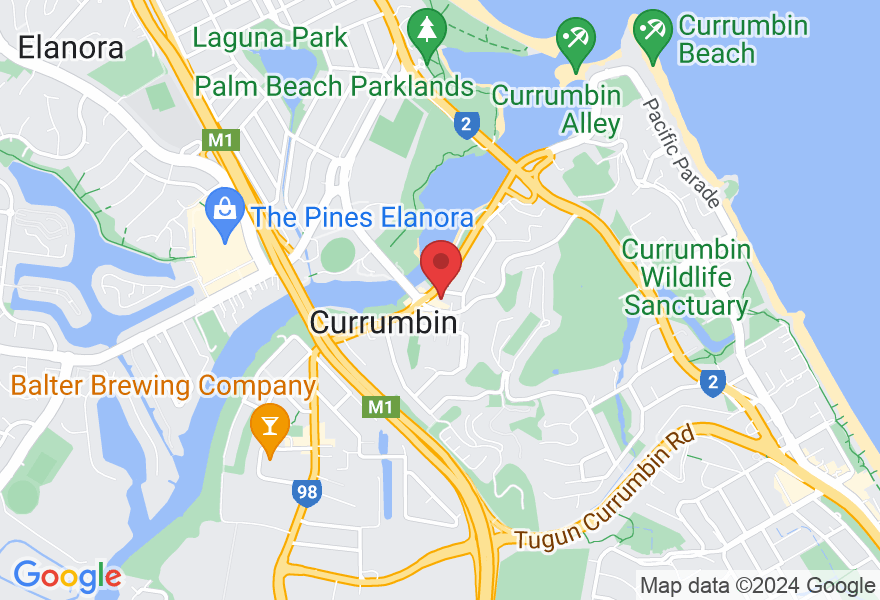
Location
9/1 Fielding Street, Currumbin
Conveniently located in the heart of Currumbin, next to Currumbin Medical Centre and just over the Thrower Drive bridge