WELCOME TO
Patient Resources


Signs You're Actually Improving... Even If It Doesn't Feel Like It
Most people expect progress in rehab to feel obvious.
Less pain. More movement. Back to normal.
And sometimes it does happen that way. But more often, it’s a bit less clear than that.
Things shift… just not always in a way that stands out straight away.
Which can make it easy to feel like nothing’s really changing - even when it is.
Pain Is Only One Part of the Picture
It’s natural to use pain as the main reference point.
If it’s still there, it can feel like the injury hasn’t improved. Or that something isn’t working.
But pain doesn’t always behave in a simple, linear way.
Sometimes it’s still present, just less intense. Or it settles more quickly after activity. Or it shows up less often across the week.
Those changes can be easy to overlook… but they matter.
Because they usually mean something underneath is starting to shift.
The Small Changes That Often Go Unnoticed
A lot of early progress doesn’t announce itself.
It shows up in small ways.
You might notice you’re moving a bit more freely without really thinking about it. Or you can get through more of your day before symptoms start to creep in. Maybe you return to an activity that used to flare things up - and it’s not quite as reactive as it was before.
Sometimes it’s just a sense of a bit more confidence. Trusting that area again, even slightly.
Individually, these changes don’t always feel significant.
But together, they tend to point in the right direction.
Strength and Capacity Build Quietly
One of the more frustrating parts of rehab is that the things that matter most don’t always feel dramatic.
Strength, control, and overall capacity tend to build gradually - especially when they’re coming from consistent, progressive rehab.
You don’t usually feel stronger day to day.
But over a few weeks, things that used to feel difficult start to feel… more manageable. More familiar. Less effortful.
It’s subtle. But it adds up.
Why Progress Doesn’t Always Feel Linear
There’s often an expectation that things should steadily improve.
In reality, it’s usually a bit uneven.
A good few days, then a slight flare-up. A week where things feel like they’re moving, followed by one where they seem to stall.
That can be frustrating - and sometimes a bit confusing.
But it’s also a fairly normal part of the process.
Progress tends to happen over time, not in a straight line. Which is why it can help to look at trends over a couple of weeks, rather than focusing too much on any one day.
Having the Right Guidance Along the Way
This is where having someone guide the process tends to make a difference.
Not just in terms of what to do, but in helping make sense of how things are progressing.
Sometimes that’s adjusting your program as your capacity improves. Other times it’s helping settle things when symptoms flare up a bit, whether that’s through small changes to your loading, or hands-on treatment to ease discomfort and stiffness.
And sometimes it’s just reassurance that what you’re experiencing is actually part of things moving forward.
Looking at the Bigger Picture
It’s easy to get caught up in how something feels today.
But often a better question is:
Are you doing more now than you were a few weeks ago?
That might be moving more comfortably, tolerating more activity, or just feeling a bit more confident in how things are responding.
Those shifts don’t always feel dramatic.
But they’re usually a sign that things are heading in the right direction.
Conclusion
Progress in rehab isn’t always obvious.
It doesn’t always feel like a clear before-and-after.
But more often than not, it’s there... in small changes, building over time.
And when you stay consistent, keep adjusting where needed, and give it a bit of space to unfold…
Those small changes tend to turn into something more solid.
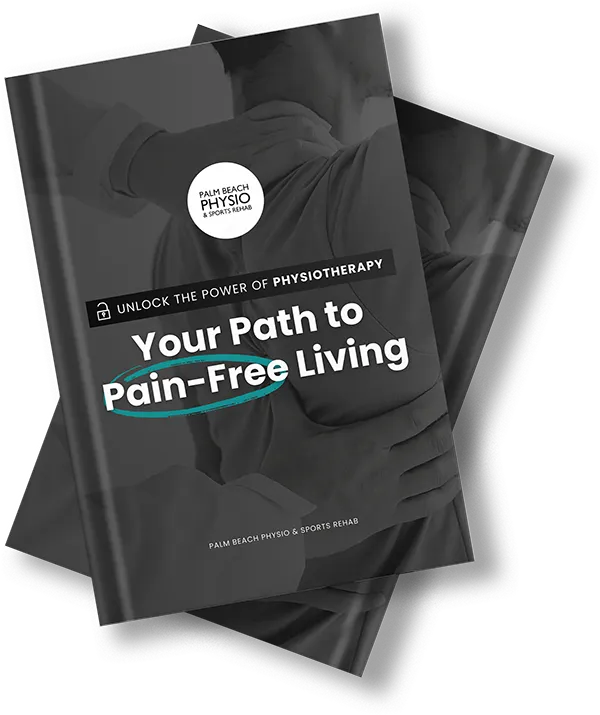
Unlock the Power of Physiotherapy
Your Path to Pain-Free Living
Discover the transformative benefits of physiotherapy and regain control over your body. Our exclusive guide, "The Ultimate Guide to Physiotherapy: Your Roadmap to Optimal Health," provides valuable insights into the fundamentals, techniques, and success stories of physiotherapy. Sign up now to embark on a journey towards a pain-free, active lifestyle.
Palm Beach Physio and Sports Rehab
What OurPatients Say

I was plagued by chronic back pain for years, making it difficult to enjoy even the simplest activities. Thanks to the incredible physiotherapy services, I finally found relief. Their skilled physiotherapist not only helped alleviate my pain but also taught me exercises and techniques to strengthen my core and improve my posture.
Sarah M.


After undergoing knee surgery, I was unsure if I would ever regain full mobility. That's when I discovered the transformative power of physiotherapy. The dedicated team of physiotherapists designed a personalized rehabilitation program that included a combination of exercises, manual therapy, and advanced techniques.
John W.

As an athlete, I constantly push my body to the limits. Unfortunately, this often leads to injuries and setbacks. However, with the help of the outstanding physiotherapy services, I've been able to bounce back stronger than ever. Their sports-focused approach, including targeted exercises, injury prevention strategies, and performance...
Emily R.
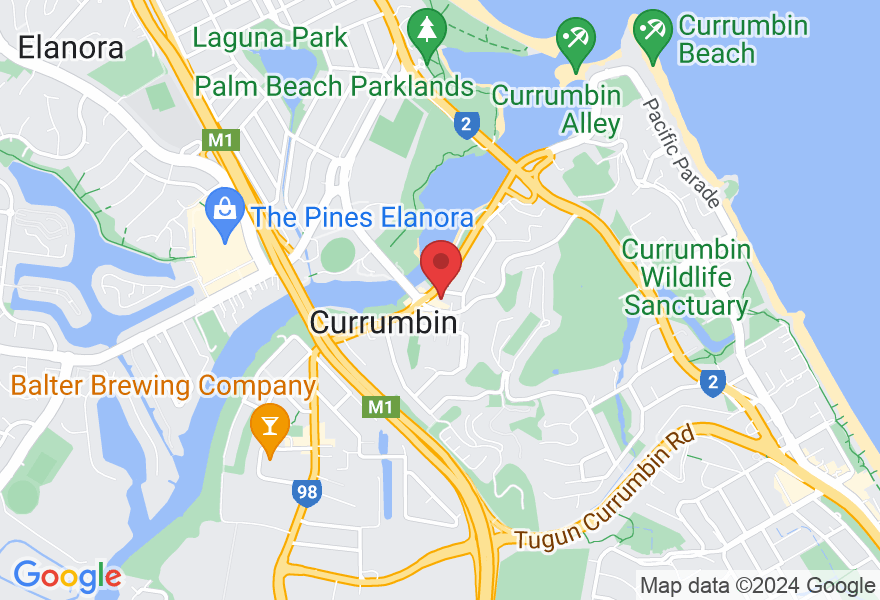
Location
9/1 Fielding Street, Currumbin
Conveniently located in the heart of Currumbin, next to Currumbin Medical Centre and just over the Thrower Drive bridge