WELCOME TO
Patient Resources

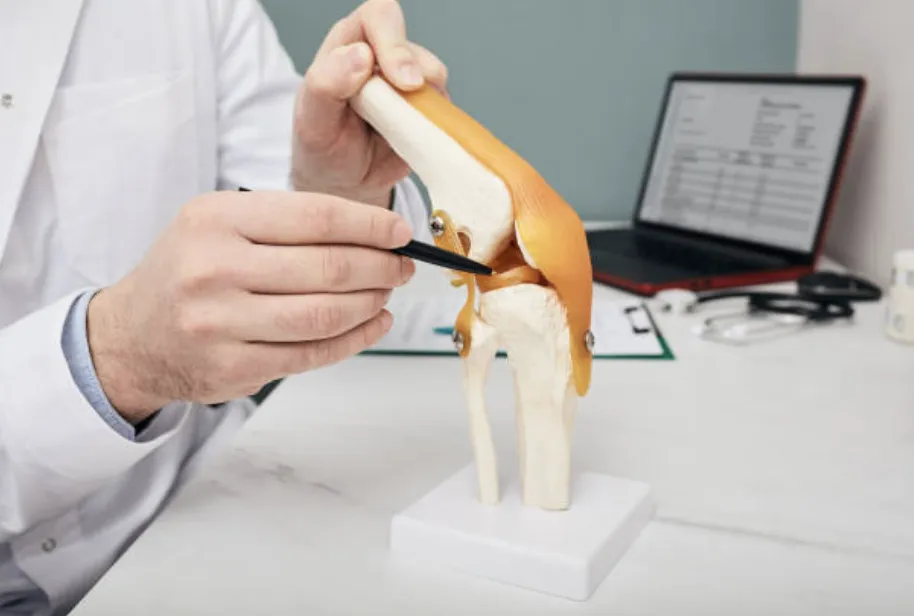
Meniscus Tear Surgery vs Rehab: What Young Adults and Athletes Need to Know
Do You Really Need Surgery for a Meniscus Tear?
If you’re a young adult or athlete with a meniscus tear, you’ve probably asked yourself: Do I really need surgery?
For older adults with knee arthritis, we know that arthroscopic knee surgery is often not the best option. But for younger people with a meniscus injury, the answer is more nuanced.
I’ve been there myself. About a year ago, I tore my lateral meniscus while trail running. With rehab and strengthening, I got back to almost full function. A few months later, though, I re-injured it - this time with a larger radial tear that eventually required surgery.
Now, at six weeks post-op, I’m walking without crutches. More importantly, I’ve learned lessons about meniscus injury treatment that might help others facing the same decision.
What Does the Research Say About Meniscus Tear Treatment?
For years, the approach was simple:
Young adult + meniscus tear = surgery.
The reasoning was that meniscus tissue doesn’t heal well on its own, and skipping surgery might cause earlier wear and tear in the knee.
But newer research tells a different story. The DREAM trial, for example, studied 121 young adults (ages 18-40) with MRI-confirmed meniscus tears.
Half had early arthroscopic surgery.
Half completed 12 weeks of supervised meniscus tear rehab.
After two years, both groups had similar knee function outcomes.
Even those who began with rehab and later had surgery did well.
Takeaway: For many, structured rehab can be just as effective as early surgery.
What Else Does the Research Show?
Mechanical symptoms matter. Catching, locking, or “clunking” in the knee were more likely to improve with surgery.
Tear type matters. Some tears are more likely to benefit from surgery than others.
Scans don’t tell the whole story. An MRI alone can’t always predict who needs surgery.
Not All Meniscus Tears Are the Same
Some tears almost always require meniscus surgery, especially in younger patients, some of these include:
Radial tears – disrupt how the meniscus supports the knee.
Root tears – can lead to arthritis if left untreated.
Bucket-handle tears – often cause the knee to lock.
Other types, like small vertical or horizontal tears, may respond well to non-surgical rehab.
My Clinical Approach to Meniscus Tear Recovery
Every patient is different, but here’s how I usually guide treatment:
Start with a team. Your GP, physiotherapist, and orthopaedic surgeon should be involved early.
Assess symptoms. Catching, locking, or large tears need closer attention.
Rehab first when safe. Many patients do well with structured, physio-led rehab.
Don’t delay surgery if needed. If the meniscus isn’t functioning, waiting can make things worse.
FAQ: Meniscus Tear Surgery & Treatment
What is a meniscus tear?
An injury to the C-shaped cartilage in your knee that absorbs shock and stabilises the joint.Do all meniscus tears need surgery?
No. Many heal with rehab—especially if you don’t have mechanical symptoms.What are mechanical symptoms?
Catching, locking, or clicking that interferes with normal knee movement.How long does recovery take without surgery?
Many people improve within 6–12 weeks of structured rehab, though full recovery can take longer.When is surgery recommended?
For large tears (radial, root, or bucket handle), ongoing mechanical symptoms, or when rehab isn’t enough.Can you walk with a meniscus tear?
Often yes, but pain, swelling, or instability can make it difficult. Always get guidance from a doctor or physio.What happens if a meniscus tear is left untreated?
Some tears may settle down, but others can worsen or increase the risk of arthritis.
Final Thoughts on Meniscus Tear Treatment
Knee care is never one-size-fits-all. Just because you’re young or athletic doesn’t mean surgery is automatically the right choice.
The best path depends on your tear type, your symptoms, and your long-term goals. At Gold Coast Knee Group, we help patients find the right balance—whether that’s arthroscopic knee surgery, rehab, or a combination of both.
Yours in knee health,
Dr Adam Walker
Director and Head of Rehabilitation
Gold Coast Knee Group
📧 adam@gckneegroup.com.au
📞 0408 051 943
🌐 www.gckneegroup.com.au
Unlock the Power of Physiotherapy
Your Path to Pain-Free Living
Discover the transformative benefits of physiotherapy and regain control over your body. Our exclusive guide, "The Ultimate Guide to Physiotherapy: Your Roadmap to Optimal Health," provides valuable insights into the fundamentals, techniques, and success stories of physiotherapy. Sign up now to embark on a journey towards a pain-free, active lifestyle.
Palm Beach Physio and Sports Rehab
What OurPatients Say

I was plagued by chronic back pain for years, making it difficult to enjoy even the simplest activities. Thanks to the incredible physiotherapy services, I finally found relief. Their skilled physiotherapist not only helped alleviate my pain but also taught me exercises and techniques to strengthen my core and improve my posture.
Sarah M.


After undergoing knee surgery, I was unsure if I would ever regain full mobility. That's when I discovered the transformative power of physiotherapy. The dedicated team of physiotherapists designed a personalized rehabilitation program that included a combination of exercises, manual therapy, and advanced techniques.
John W.

As an athlete, I constantly push my body to the limits. Unfortunately, this often leads to injuries and setbacks. However, with the help of the outstanding physiotherapy services, I've been able to bounce back stronger than ever. Their sports-focused approach, including targeted exercises, injury prevention strategies, and performance...
Emily R.

Location
9/1 Fielding Street, Currumbin
Conveniently located in the heart of Currumbin, next to Currumbin Medical Centre and just over the Thrower Drive bridge